The Lab
Research & Development Log
Axial-Flux PoC (Fit and Form)
Validating mechanical coherence and winding feasibility via 3D printed architecture.
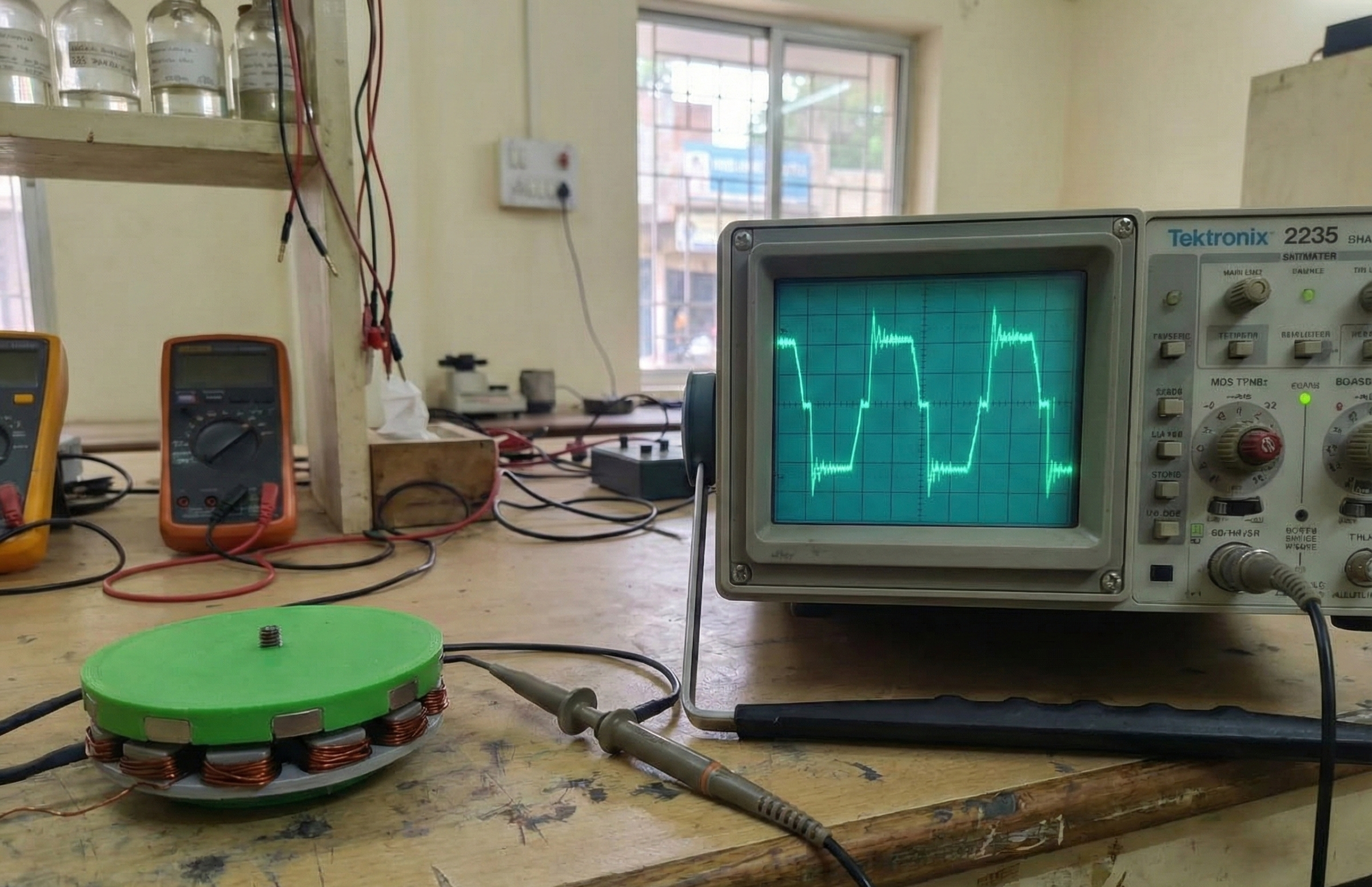
A fit and form check is the unglamorous part of hardware that helps decide if the project is directionally right to take into a performance-intent prototype. This PoC is a 3D printed axial flux unit built to convert CAD into a physical object. It is a shortcut to expose the pain points: how tolerances actually stack, what stays aligned and what drifts, where wires want to go, and what becomes fragile the second you try to assemble it twice the same way or any other real-world issues that was not conceived during designing phase. The model doesn’t prove efficiency or power density, but simply validates that the architecture is mechanically coherent and can be repeated without surprises.
Once it’s in hand, the learnings extend. Windings are no longer abstract numbers: turn count, slot access, end turn geometry, lead exits, insulation clearance, and whether the layout designed can actually be wound consistently without degrading build quality. It also forces early clarity on rotor - stator stack-up and airgap control, where small errors show up as big effects. Even at this stage, you get a real feel for issues that later dominate performance discussions, like cogging torque tendencies from geometry choices, and what ESC pairing actually means in practice when KV, current limits, and commutation assumptions meet hardware instead of simulations.
The accomplishment here isn’t a 3D print. It’s closing the first build loop with intent: removing ambiguity, validating logic, exposing integration friction early so the next iteration isn’t learning basic assembly the hard way. The next step is a dual-rotor axial flux layout, again in 3D print first, with tighter alignment features, better tolerance control, and a winding and integration plan that’s designed to be reproducible.
RC Airplane Build (Wings of Glory)
Scratch building a replacement wing and recalibrating for material tolerances.
I’ve been around RC aviation long enough that it stopped feeling like a “hobby” and started feeling like a weekly ritual. Sundays are flying days for the hobbyists, and there’s a calm (some not so calm windy days as well) predictability to it: field, transmitter, take off, fly, land, repeat, with nothing else competing for attention. It’s the one slot in the week where the world gets quieter and the only thing that matters is the aircraft.
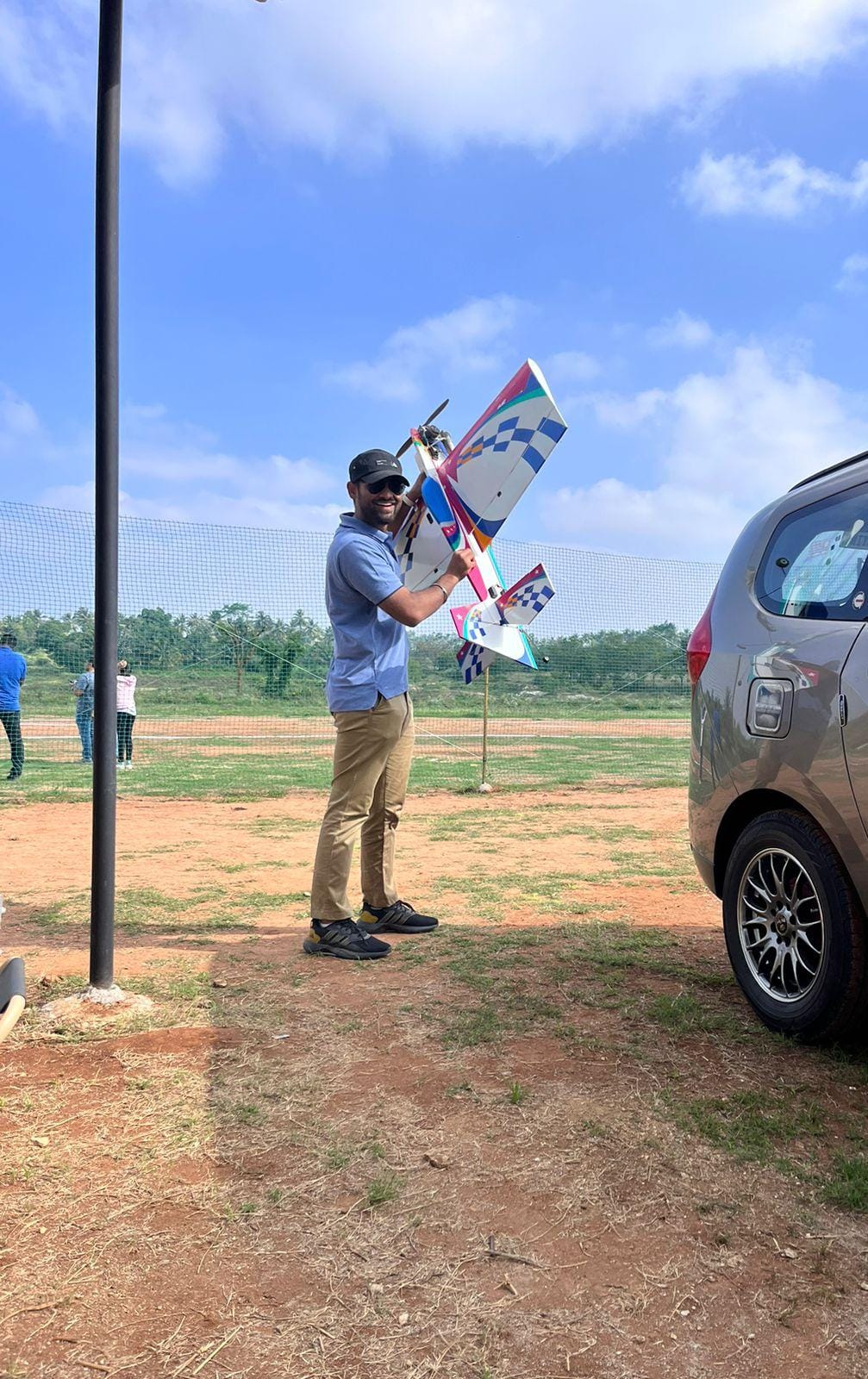
Builds come and go, and I’m not trying to keep score. I am sharing the most recent, and it came out of a very practical need: developing a new wing for an aircraft that I crashed, pilot error ¯\_(ツ)_/¯. It’s a small peek into the kind of work I like doing and no testament of sorts.
The process starts on a screen, in DevWing, where the wing geometry is defined and build plans are created.
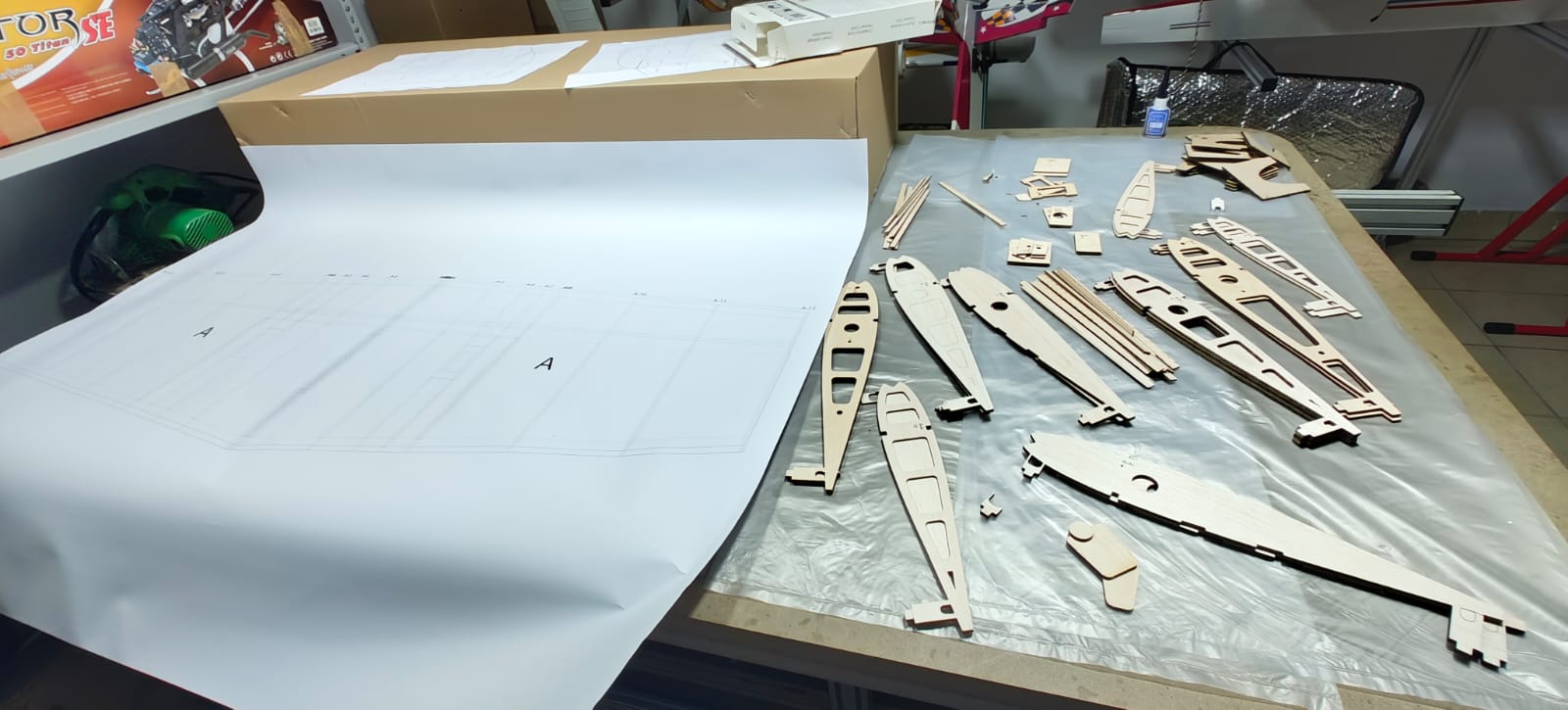
Then it becomes wood. Laser-cut balsa looks straightforward until you realize every laser machine behaves differently, and the tolerances you assume are rarely the tolerances you get. So, there’s a small, annoying, necessary step where you calibrate for that specific cutter, adjust the leads and fits, and only then commit to a cut that actually assembles cleanly.

After that it’s the slow part: building to plan, keeping everything straight, and covering it properly, because tiny deviations compound and you only find out in the air.
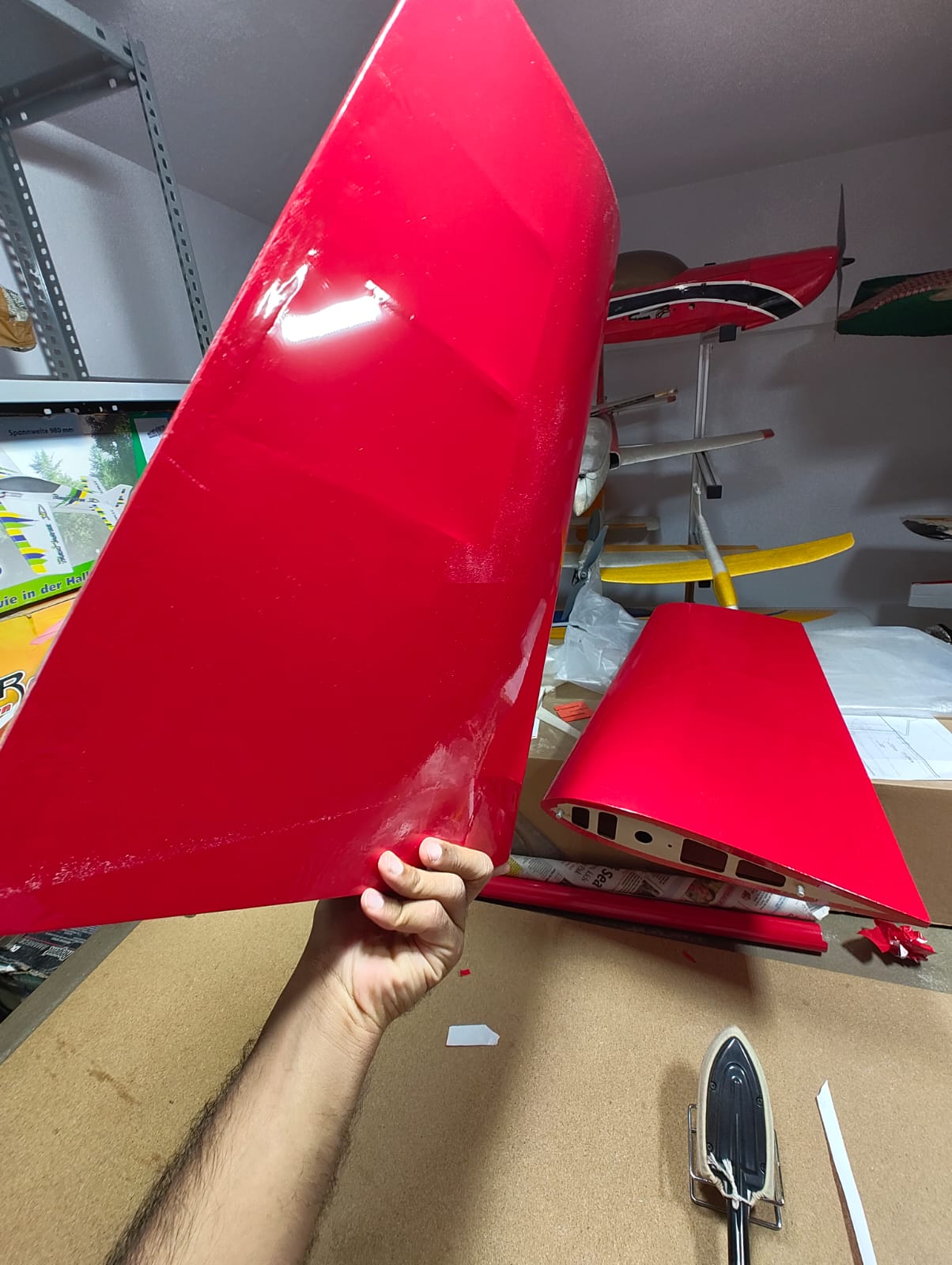
What I get out of this isn’t just a “model airplane”. It’s a demanding, full-focus loop that forces patience and attention. When life is noisy, building and flying narrows my mind to one channel. By the end of the day, the stress is smaller, and my head feels reset.
FPV Aircraft Setup
Bridging the gap between third-person perspective and cockpit immersion.
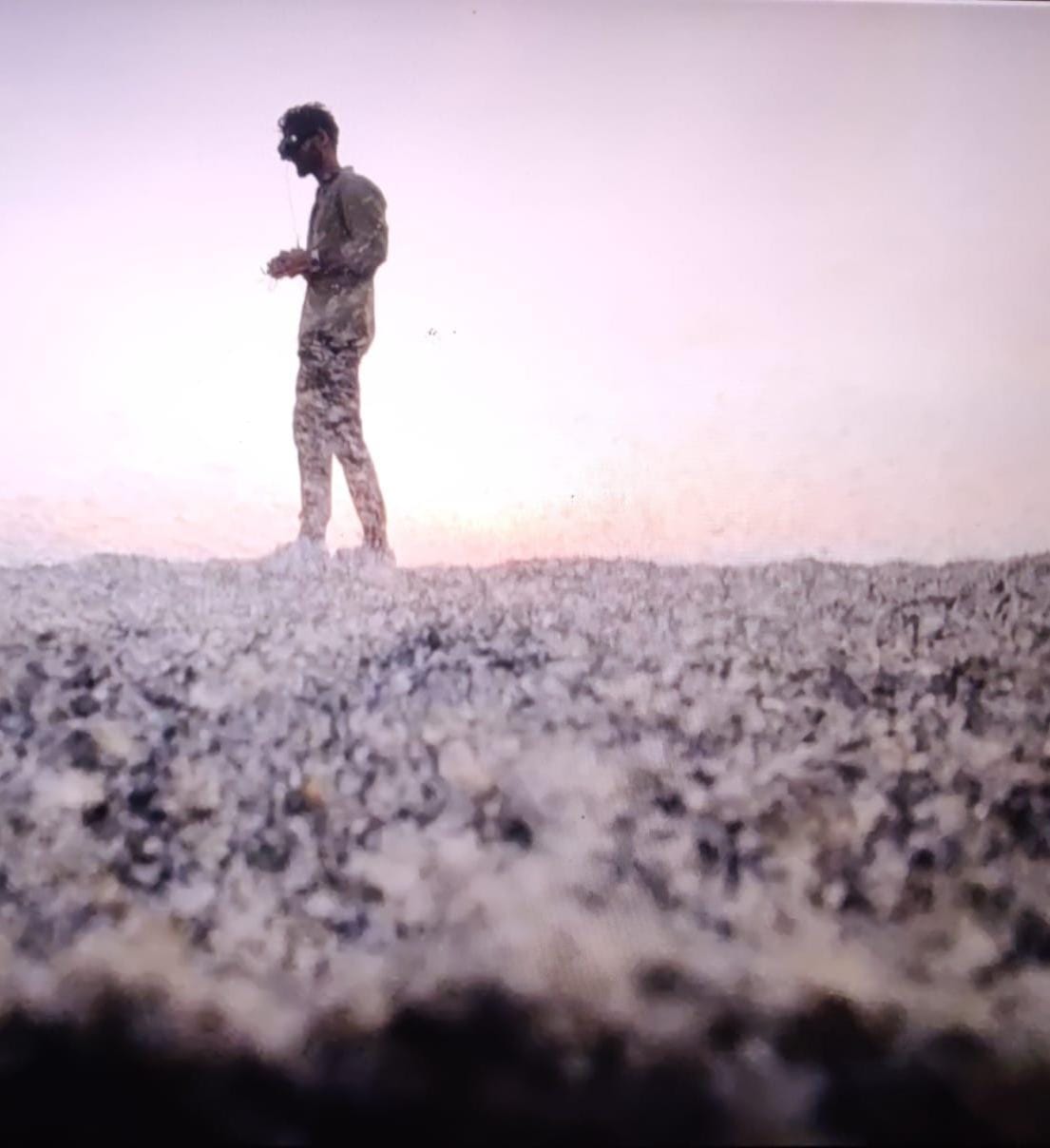
FPV flying is the closest I’ve found to being inside an aircraft without actually climbing into one. For a long time, I was used to third-person flying: pilot on the ground, judging attitude and distance from the outside, always a step removed. Since I was a kid, I wanted to know what it feels like to be in the cockpit of something you built. FPV is my way of doing that. Goggles on, the world collapses into one view, and it genuinely feels like a video game that happens to be real with real consequences, and a very honest feedback loop. It is a mix of immersion and discipline is why I keep coming back to it.
FPV experience also ended up giving me my first real recognition for project management, which I’m deeply grateful for.
CAD Experiments
From digital screens to physical reality: Bespoke fixes and additive manufacturing loops.
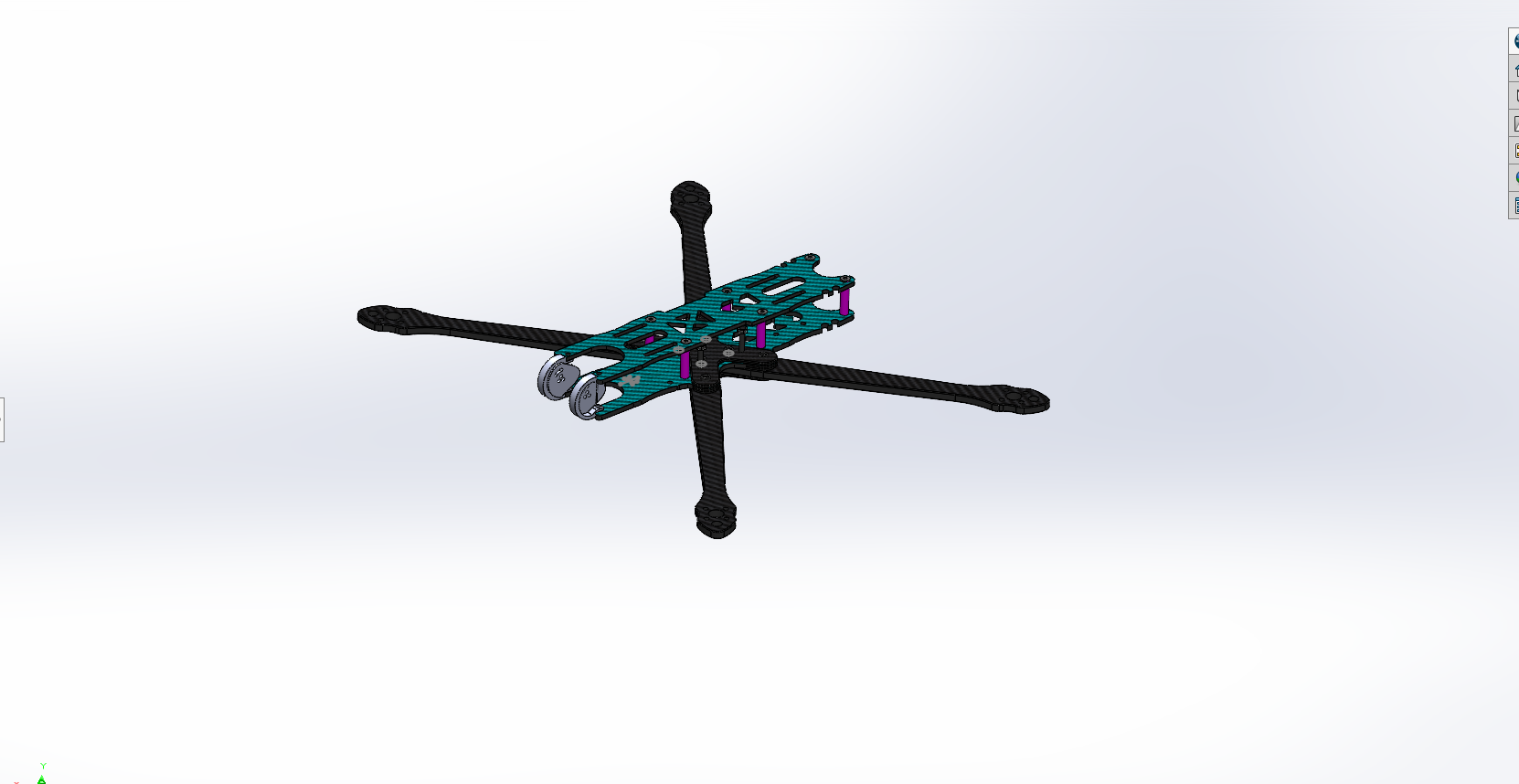
I got enamoured by the idea that you could design something on a screen and then bring it to life through 3D printing or CNC machining. And to bespoke parts that actually fit and solve problems, I had to learn CAD properly. So, I did, self-taught, one small model at a time, until it stopped feeling like “software” and started feeling like a tool I reach for instinctively.
Now I catch myself doing it for everything, not just aircraft. Simple everyday objects, small improvements, brackets, mounts, tweaks that make a build cleaner or stronger. Sometimes I lose track of time completely, because the process is addictive: imagine, model, iterate, print, fit, and see the idea become real. And yes, a lot of what I do for hobby fixes is objectively not worth the time I put into it. But the feeling of seeing a part you designed solve a real problem, and seeing it work, is hard to replace.
Outside the Lab
Scuba Diving